01
Wide-body & private jet
From a light jet to a full 777, one caterer, one standard

Aviation catering — Takamatsu, Japan
TAK (IATA) · RJOT (ICAO)
A single 2,499 metre runway sets what boards at Takamatsu: narrow-body aircraft on scheduled, charter and government rotations, worked to one wide-body-style discipline scaled to the field. Inflight catering here runs off one ops desk, hi-loader boarding to galley height, with in-flight catering and uplift planned stand by stand rather than left to the ramp.
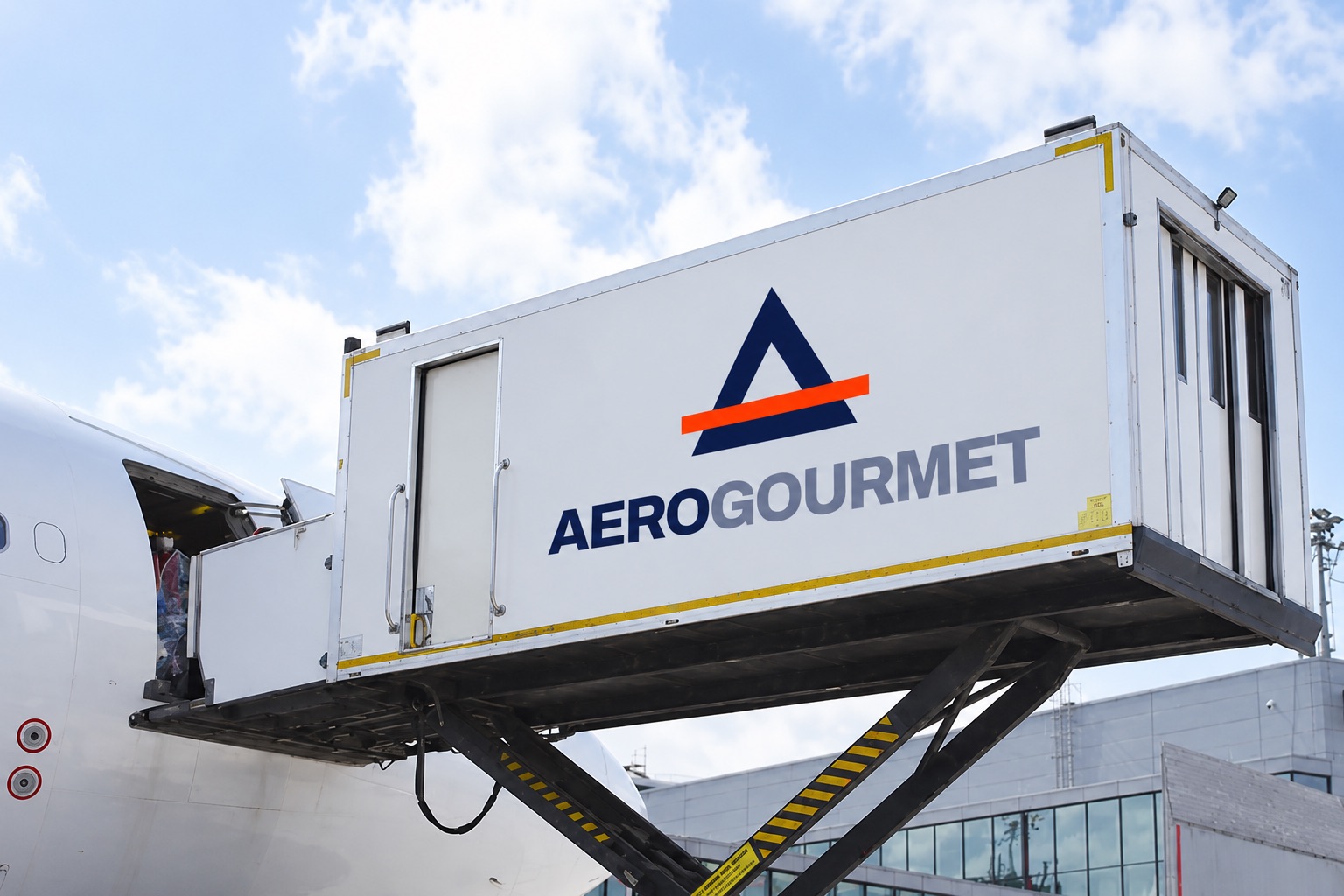
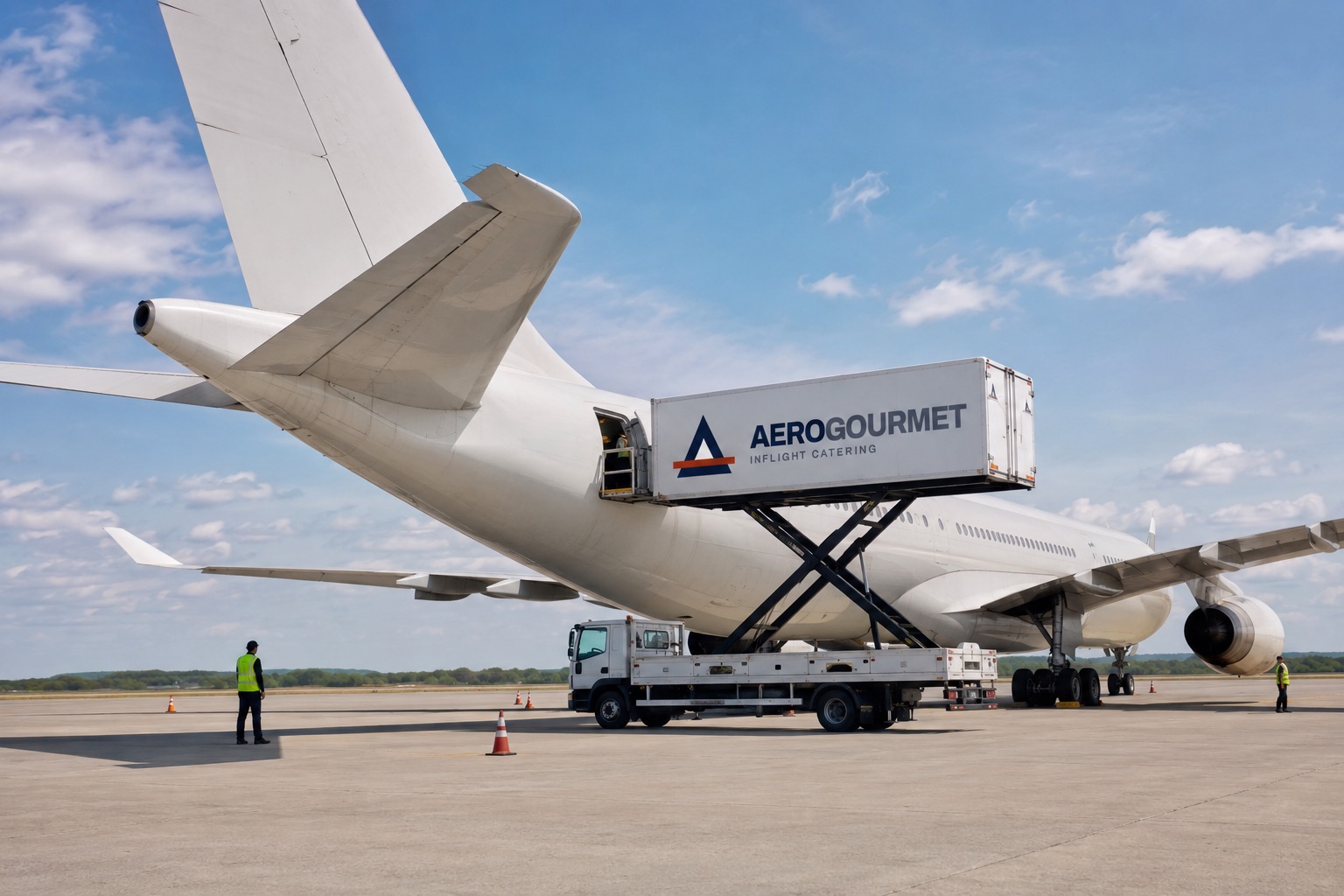
On the apron — Takamatsu
Everything below is what we measure at this station — distances, windows, who signs what.
From the moment a cart is sealed at our kitchen to the moment it is signed for at the galley door, the loading window at Takamatsu is worked, not guessed at. Ramp access on the narrow-body stand is held on our own clearance, so the catering uplift moves on a schedule we control rather than one set by whoever else is on the apron. Every stage of that route is logged, from the seal to the signature, so a delay has a cause and a time attached to it.
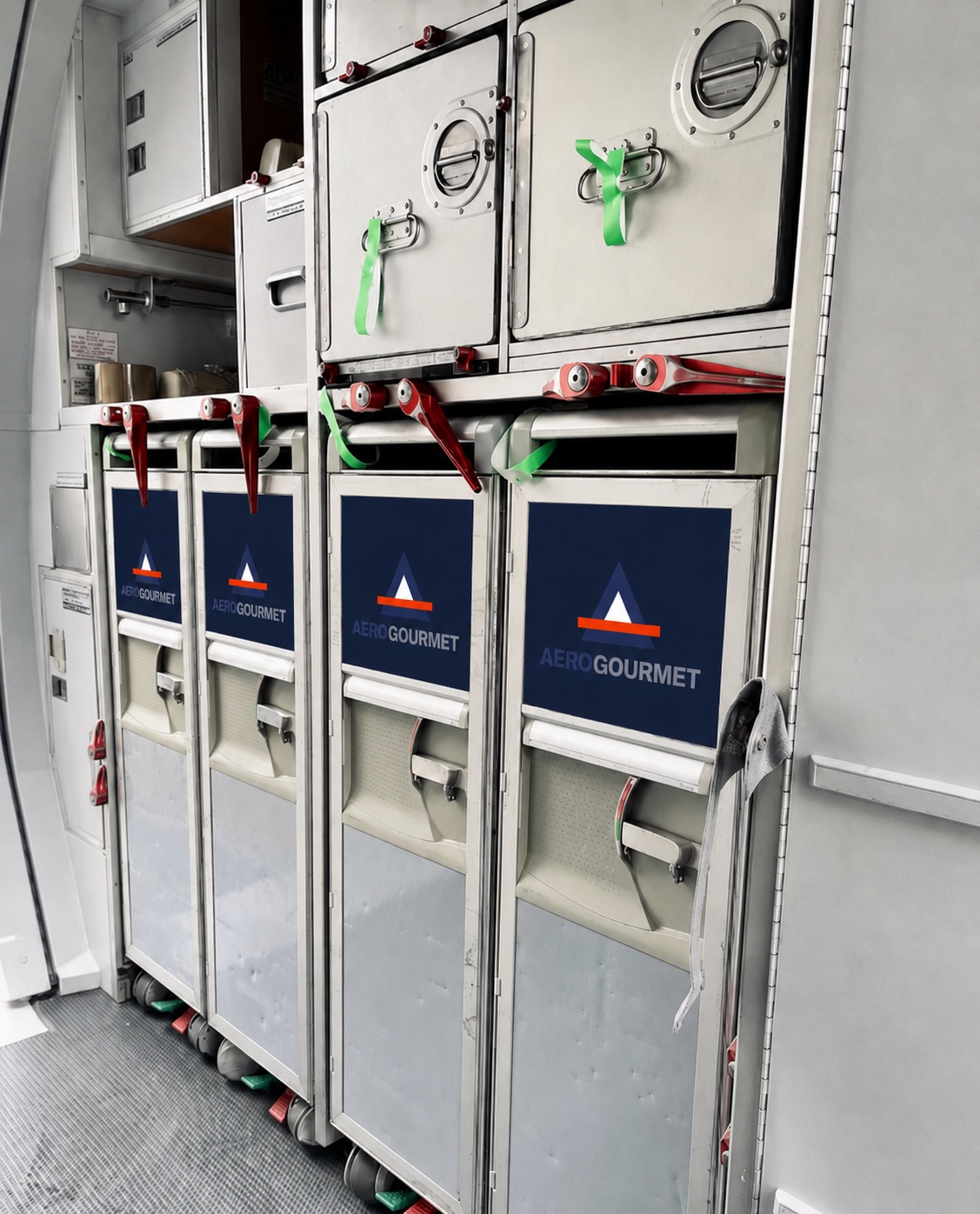
Between our kitchen and the single stand at RJOT sit screening, an escort through the airside gate, and whatever else is moving on the apron that hour, and none of it is left to chance on a galley catering run. We plan the catering uplift against the worst of that traffic rather than the average of it, because a narrow-body turnaround leaves no slack to absorb a late cart. Temperature is logged when the load is sealed at the kitchen and logged again at handover, with a signature closing the chain of custody at the aircraft.
One coordinator owns the load from the kitchen seal to the aircraft signature.
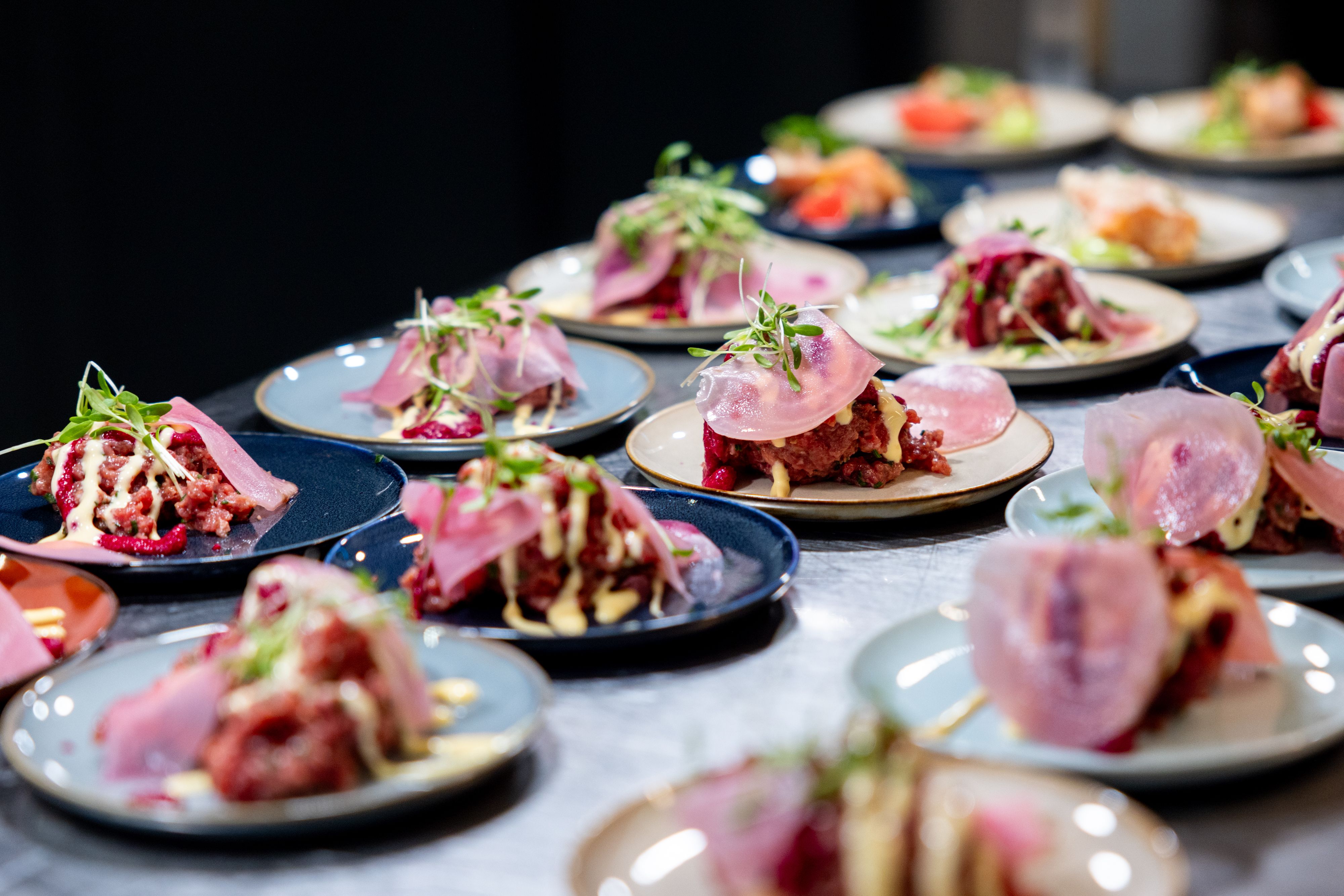
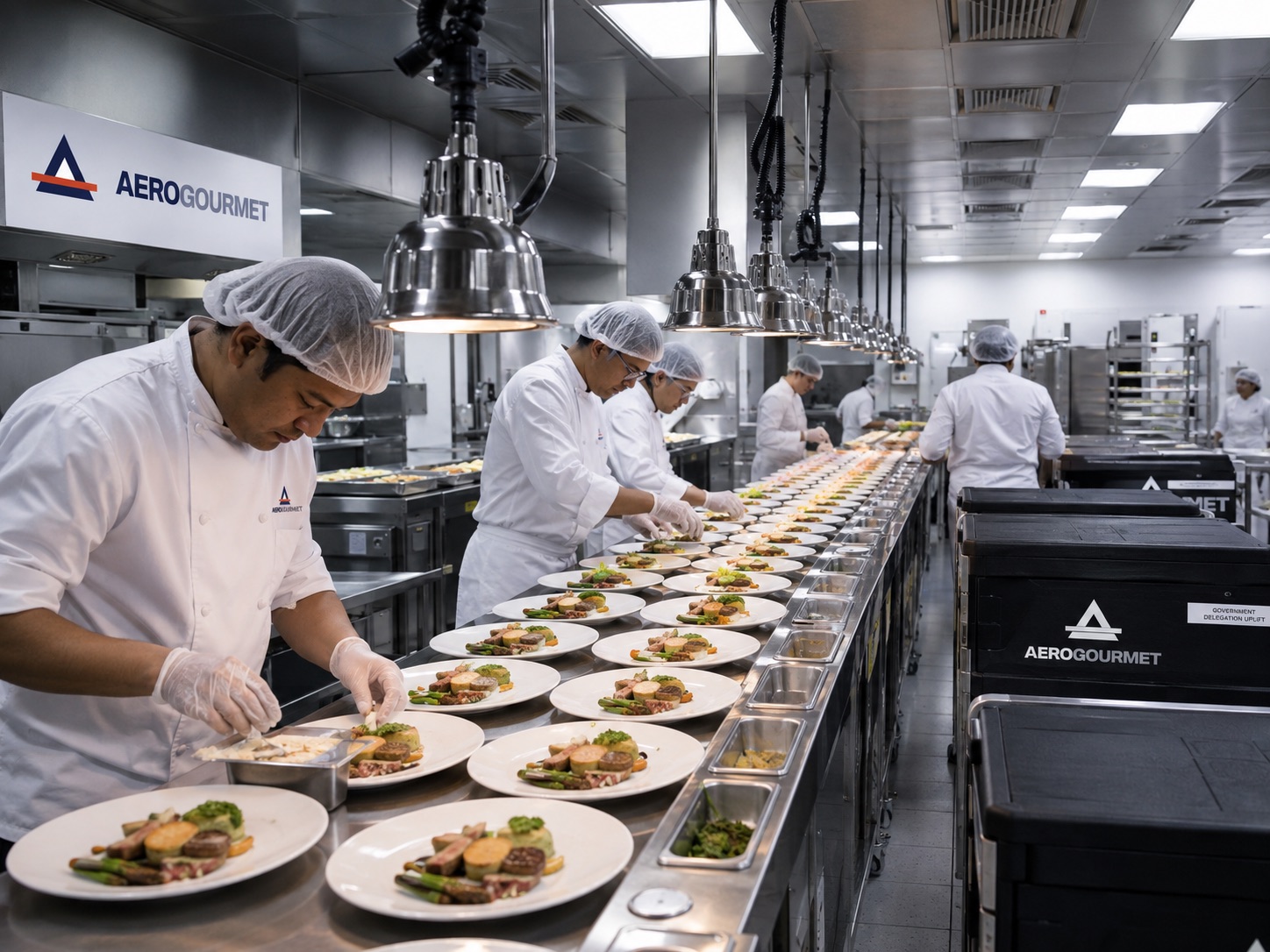
The kitchen provisioning Takamatsu runs hot production, a cold larder and a protocol line under one roof, built to serve a single narrow-body stand rather than a wide-body bank of them. That single-stand focus means airport catering here is planned around one rotation at a time instead of parallel loads competing for the same ramp slot. HACCP procedure governs every stage from the larder to the sealed cart, and airport catering at this scale still carries the same documented cold chain as a much larger station.
The staff who move a sealed load through this kitchen are the same named team on every rotation, holding security clearance on file and named on the access list before a cart leaves the door. They are trained to household service standards and to the paperwork that a government flight catering movement carries with it, whatever the size of the aircraft on the stand at TAK. Nothing about the narrow-body scale of this field changes who is trusted to touch the load.
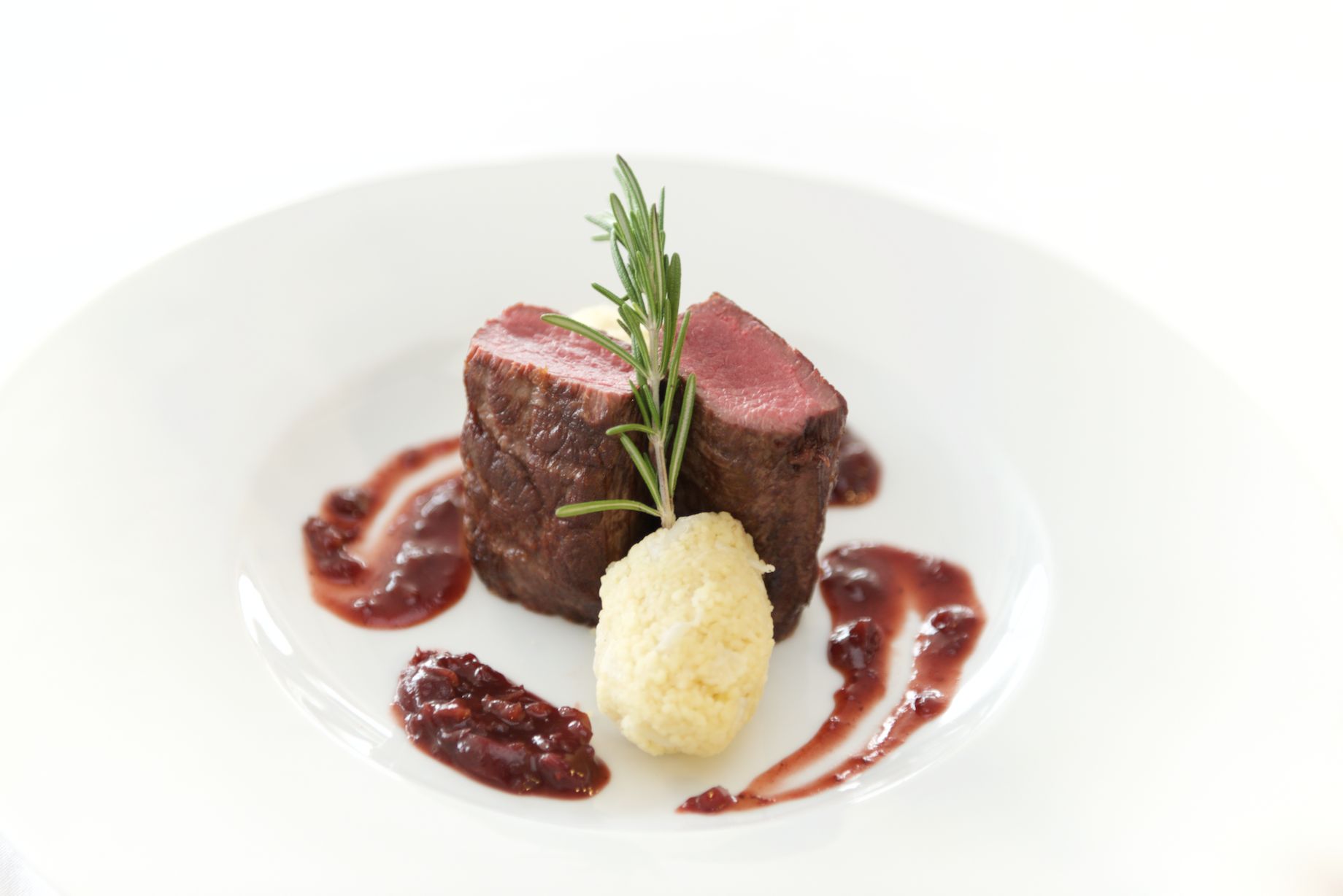
Menus at Takamatsu are written to the cabin fitted on the aircraft and to the mission it is flying, not to a fixed cycle repeated regardless of who is on board. Where the rotation calls for it, dishes draw on the produce of this part of Japan — fish, rice and seasonal vegetables sourced to match what the region actually grows that month. Inflight catering here is documented at the level of the individual passenger: allergens, medical diets and religious requirements are recorded per seat and per cabin before the cart is packed. That record travels with the load, so a change made at booking is a change the kitchen has already seen.
First & VVIP cabins
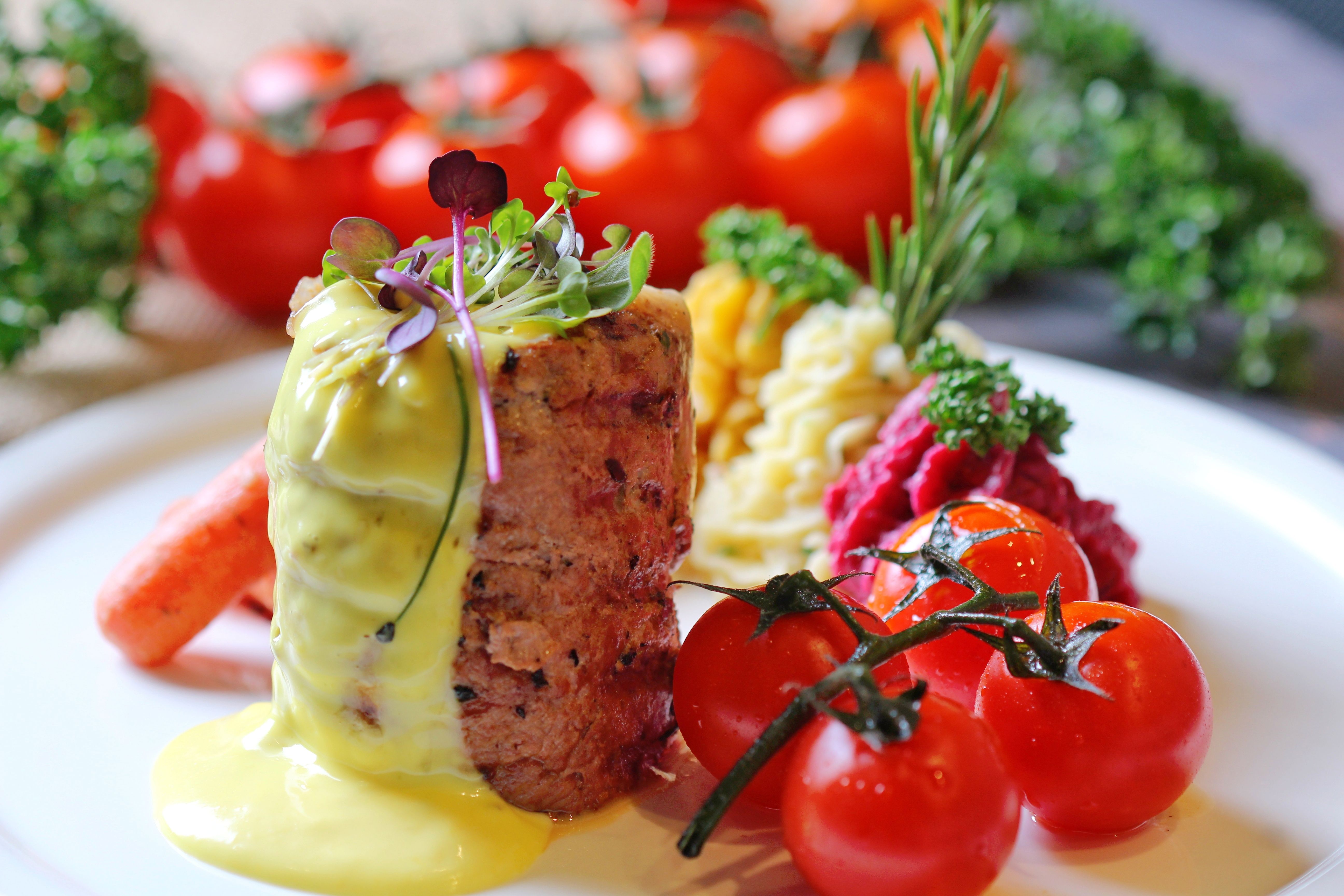
Forward-cabin service at Takamatsu is plated to a written specification rather than assembled on the day, with à-la-carte options and VIP flight catering held ready for a delegation or a private movement on short notice. The standard on the plate does not change with the size of the aircraft on the RJOT stand.
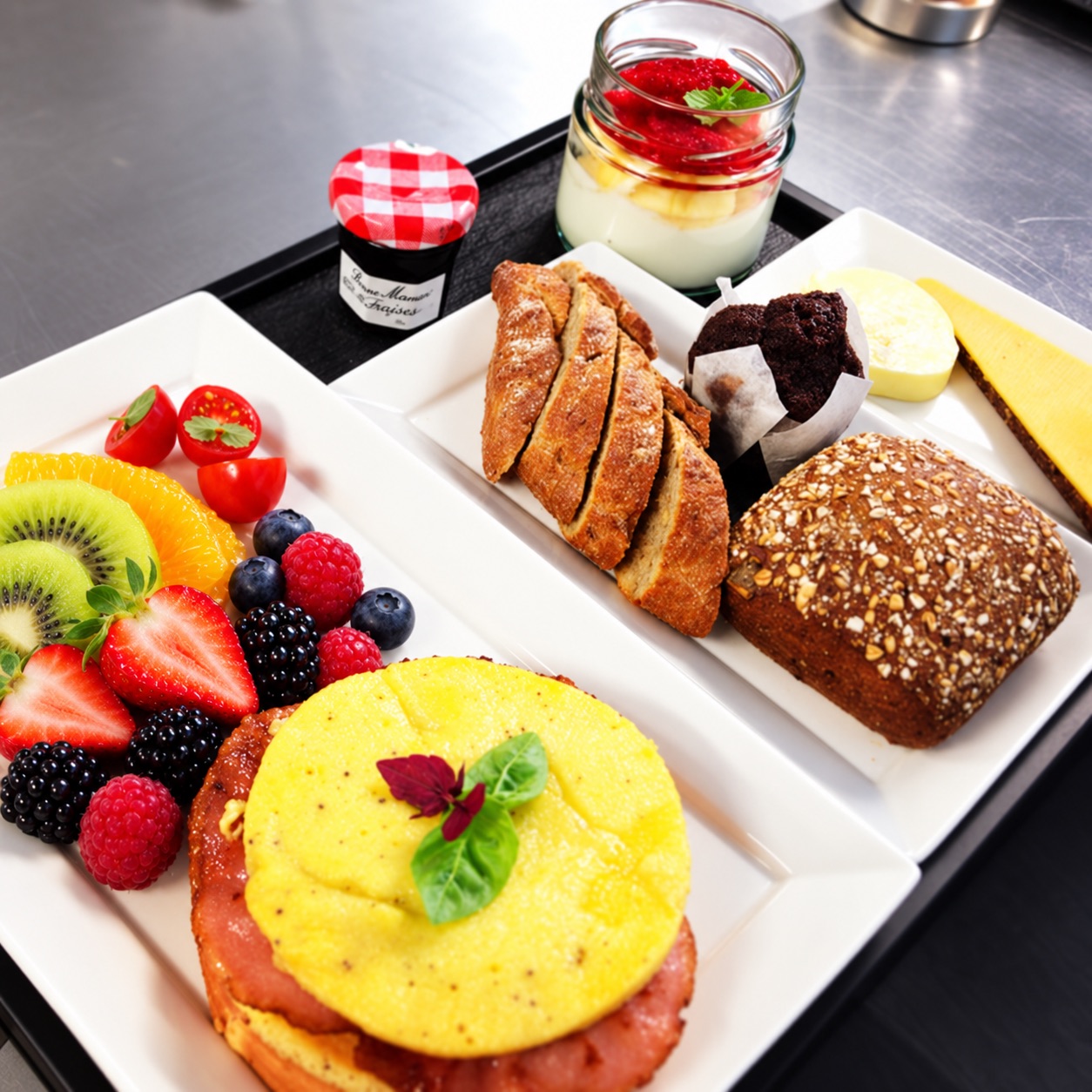
Business cabins
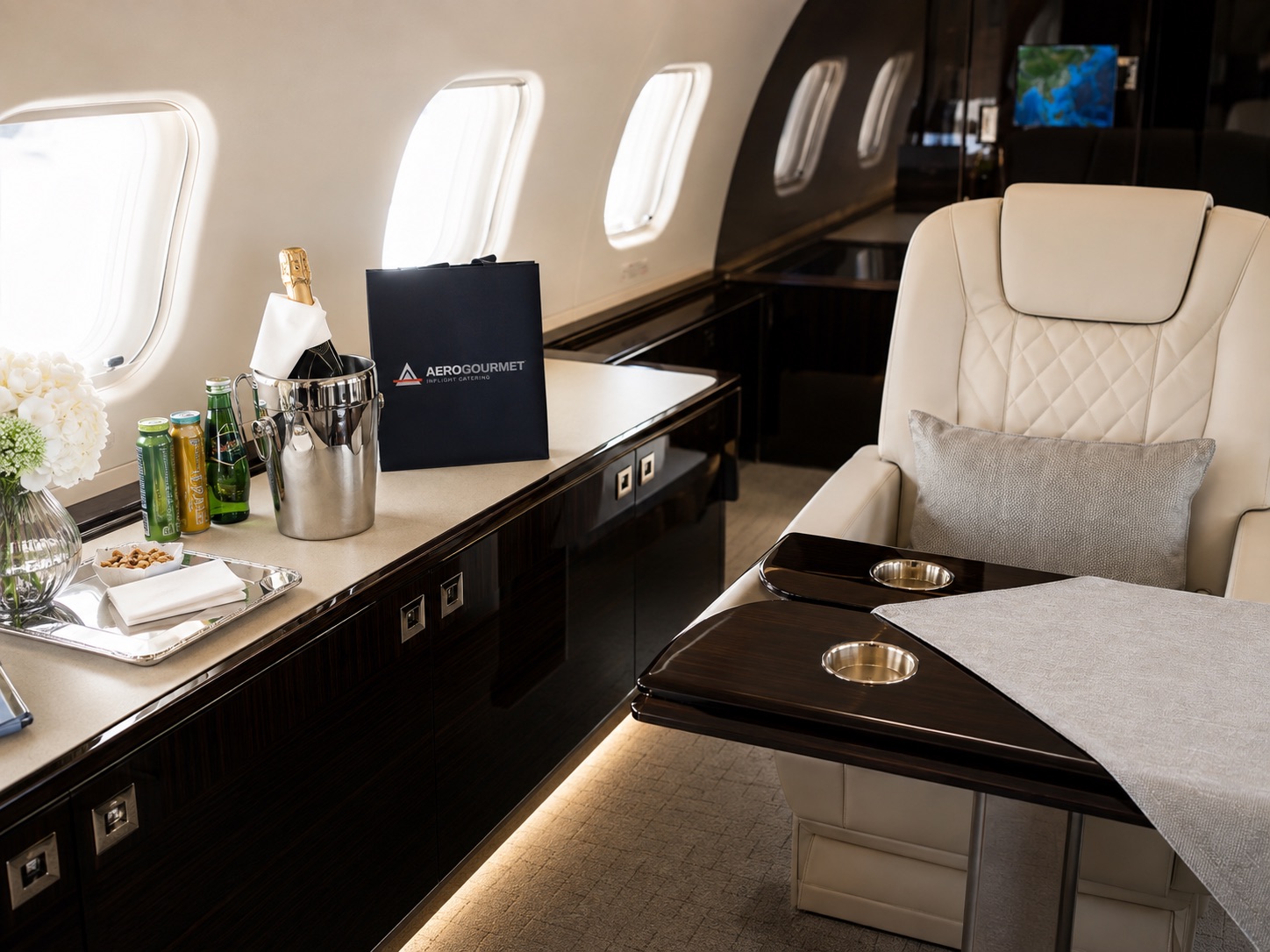
Business cabins at TAK take multi-choice hot service in oven-ready trays sized to the galley fitted on the aircraft, packed as tray sets rather than improvised at the last stage. Crew meals, cabin crew meals and pilot meals are boxed separately and labelled to the roster, so cabin crew meals and pilot meals never share a tray with the passenger service.
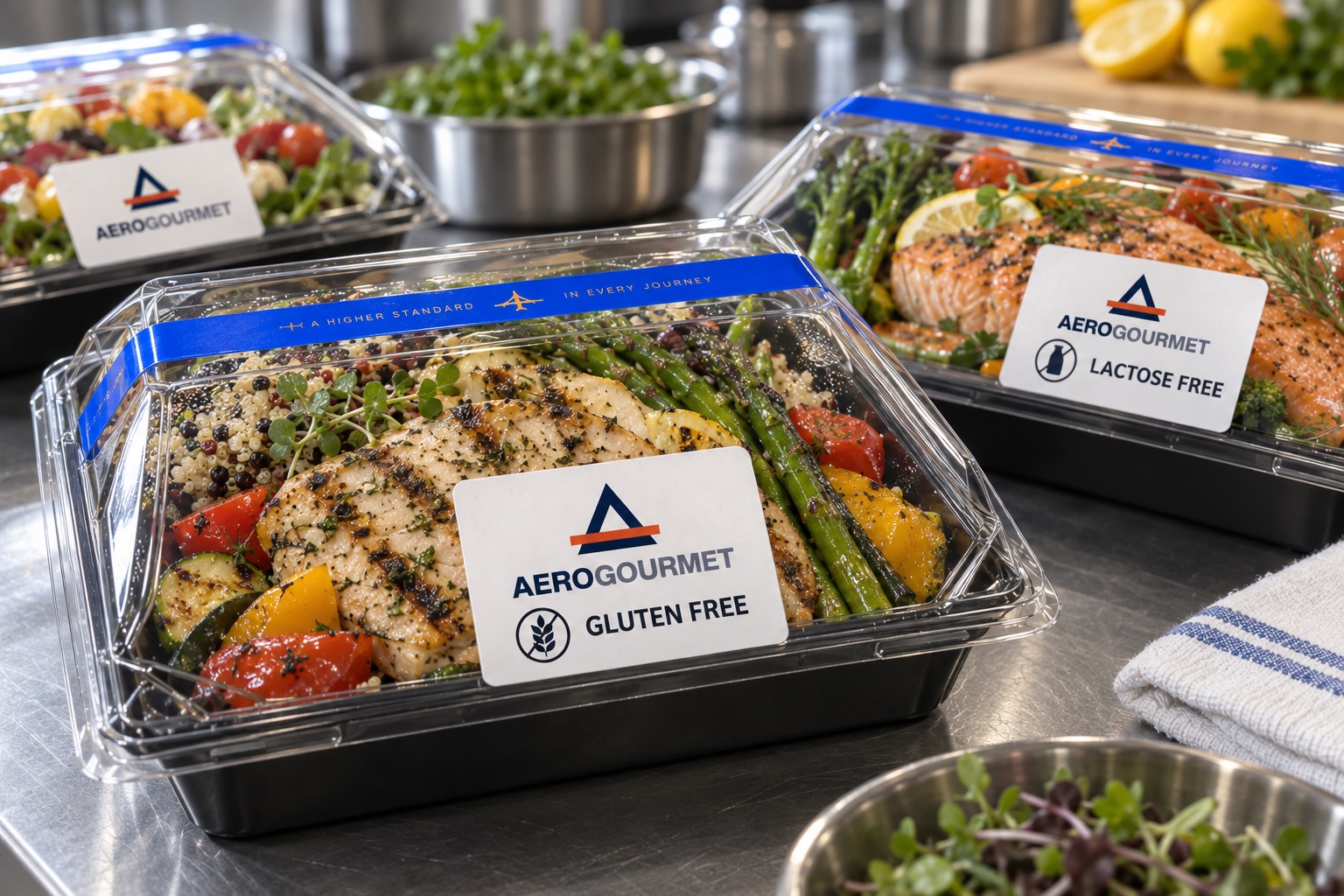
Protocol & dietary
Household, religious and medical requirements are documented per passenger before a cart is built, covering halal and kosher sets alongside the full IATA special meal code list. Each set is produced on a separate line at the kitchen and sealed there, so inflight catering for a dietary or protocol request never crosses the general production run.
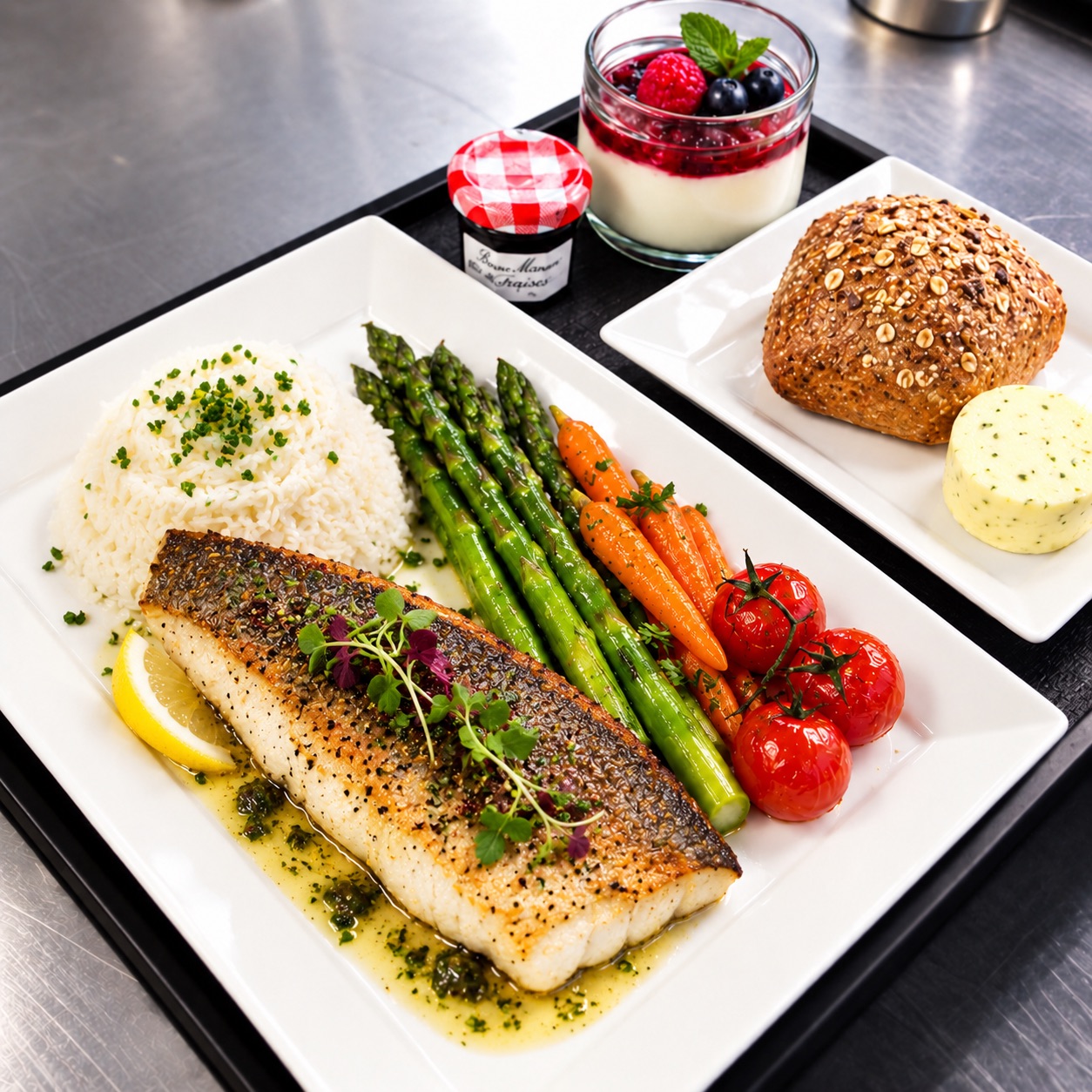
01
Royal & Government Flights
Royal households · government · state operations
02
Charter & Commercial
Charter · ACMI · group · scheduled · ad hoc
03
Private Jet
Business jet · VVIP charter · flight departments
Compliance
With one runway and a single narrow-body stand, Takamatsu carries scheduled, charter and occasional government traffic rather than a wide-body peak wave, which turns catering here into a repetition problem more than a capacity one: the same rotation, planned tightly, again and again. Airline catering in Japan at a field this size still needs the discipline of a much larger station, because there is no second stand to absorb a late load.
The uplift reaches the aircraft from our kitchen by sealed cart, escorted across the ramp and loaded through the galley door by hi-loader rather than left at the foot of the stand. Inflight catering at RJOT and in-flight catering in Japan both run off that same route, with our own crew on the apron for the whole movement rather than handed off partway.
On every rotation at TAK, one coordinator owns the load, the cart stays sealed until the galley door, and a signed handover closes the chain of custody: aviation catering in Takamatsu and airport catering at TAK are both built on that single commitment, whatever the aircraft on the stand.
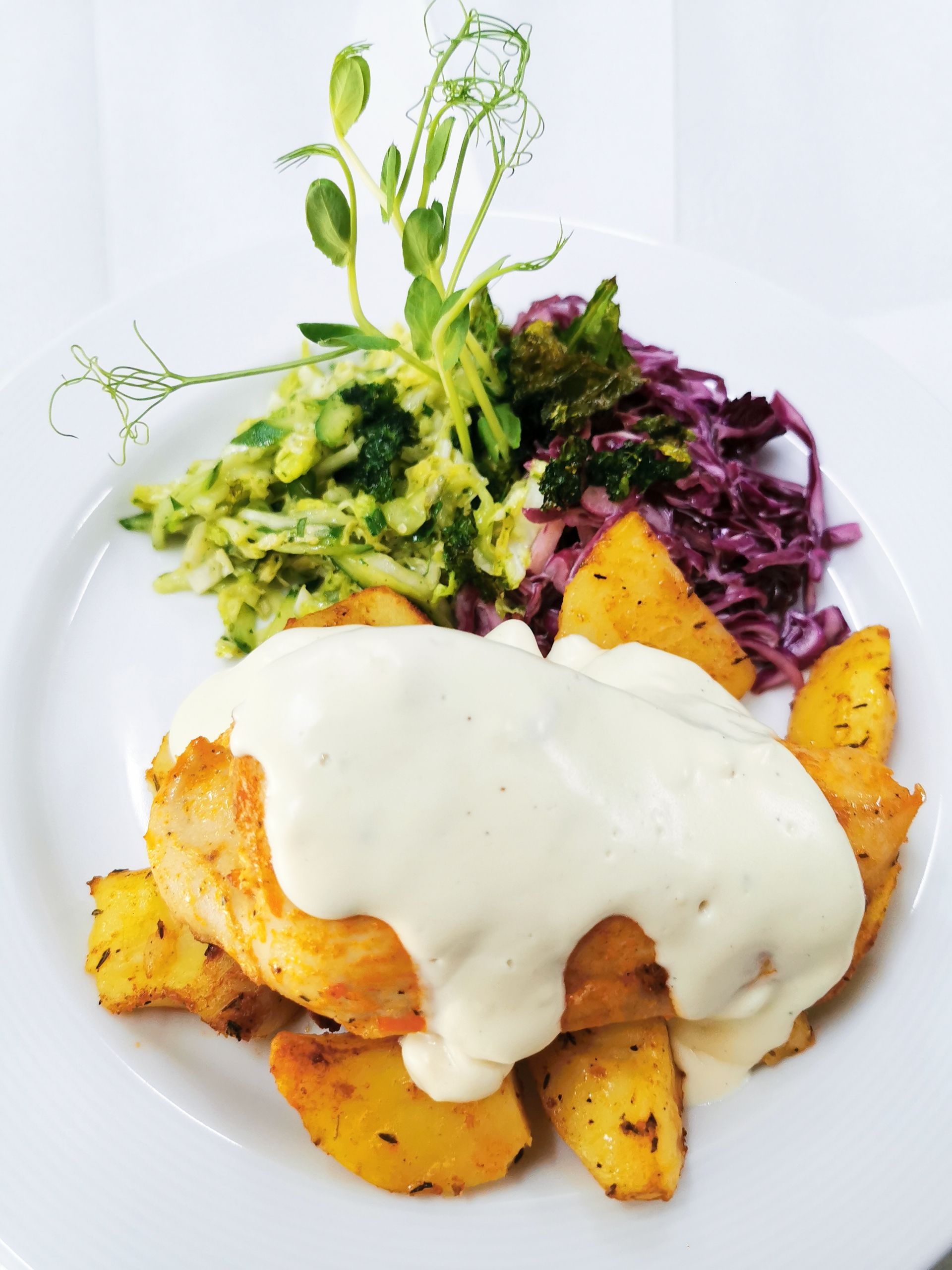
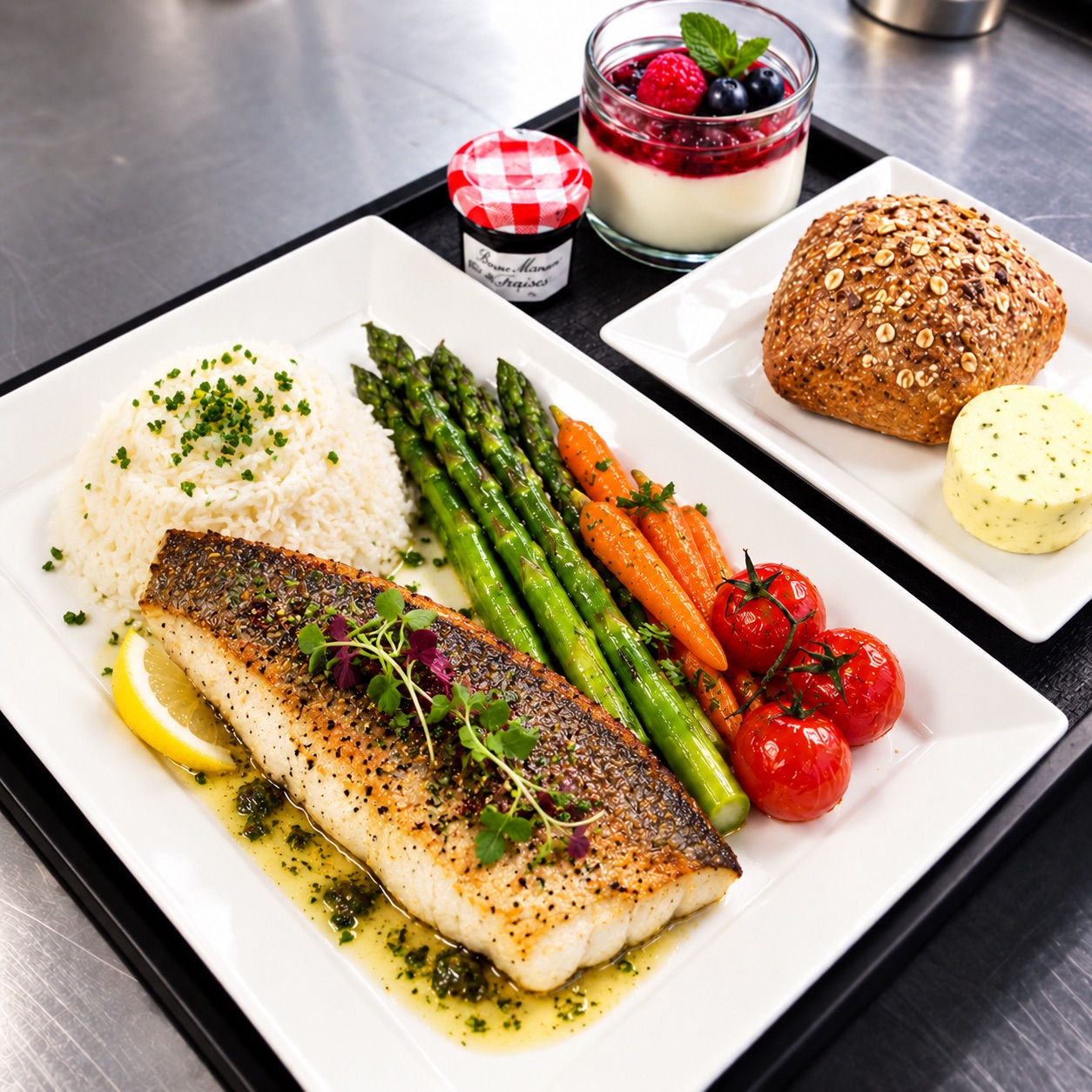
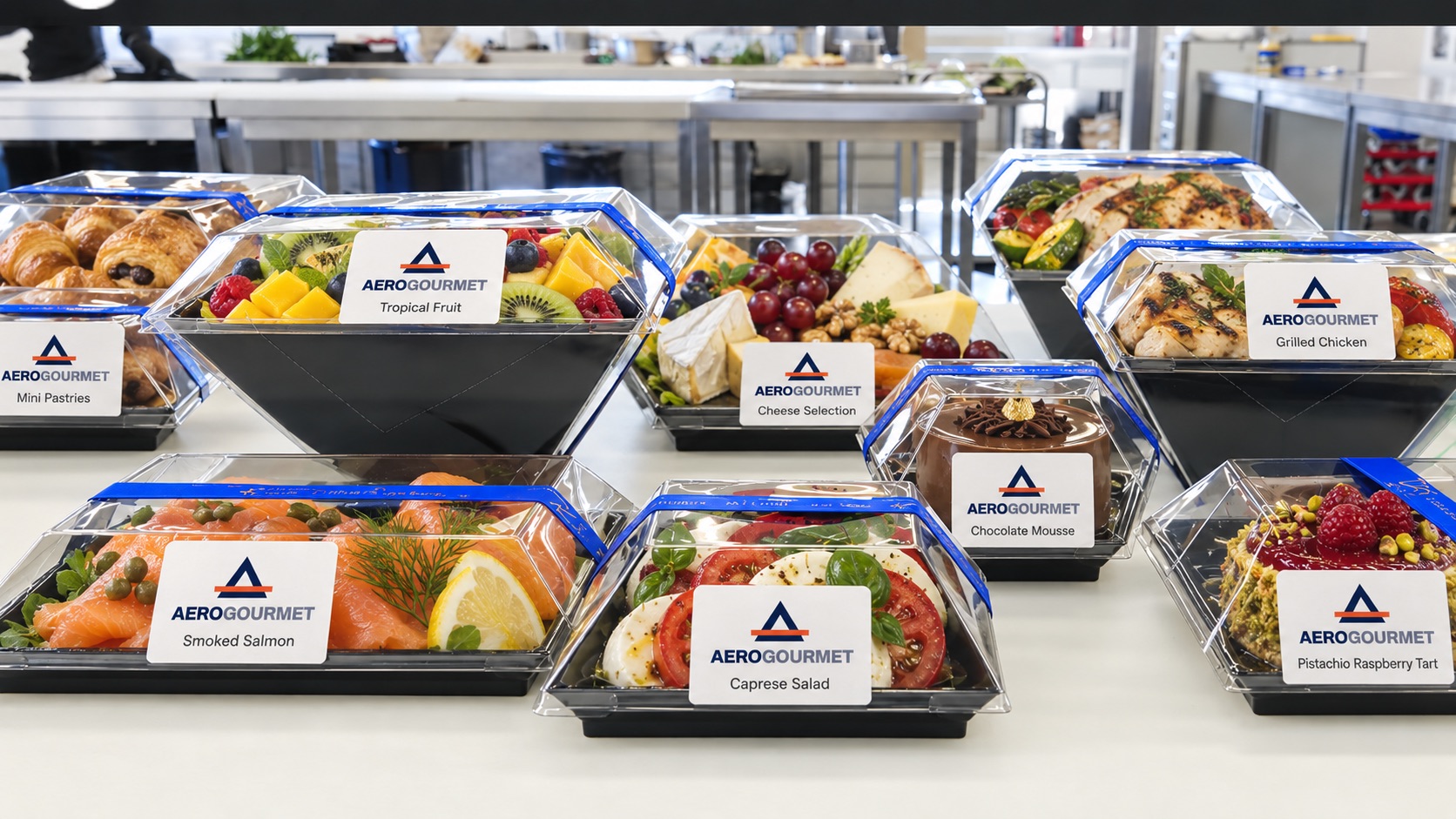
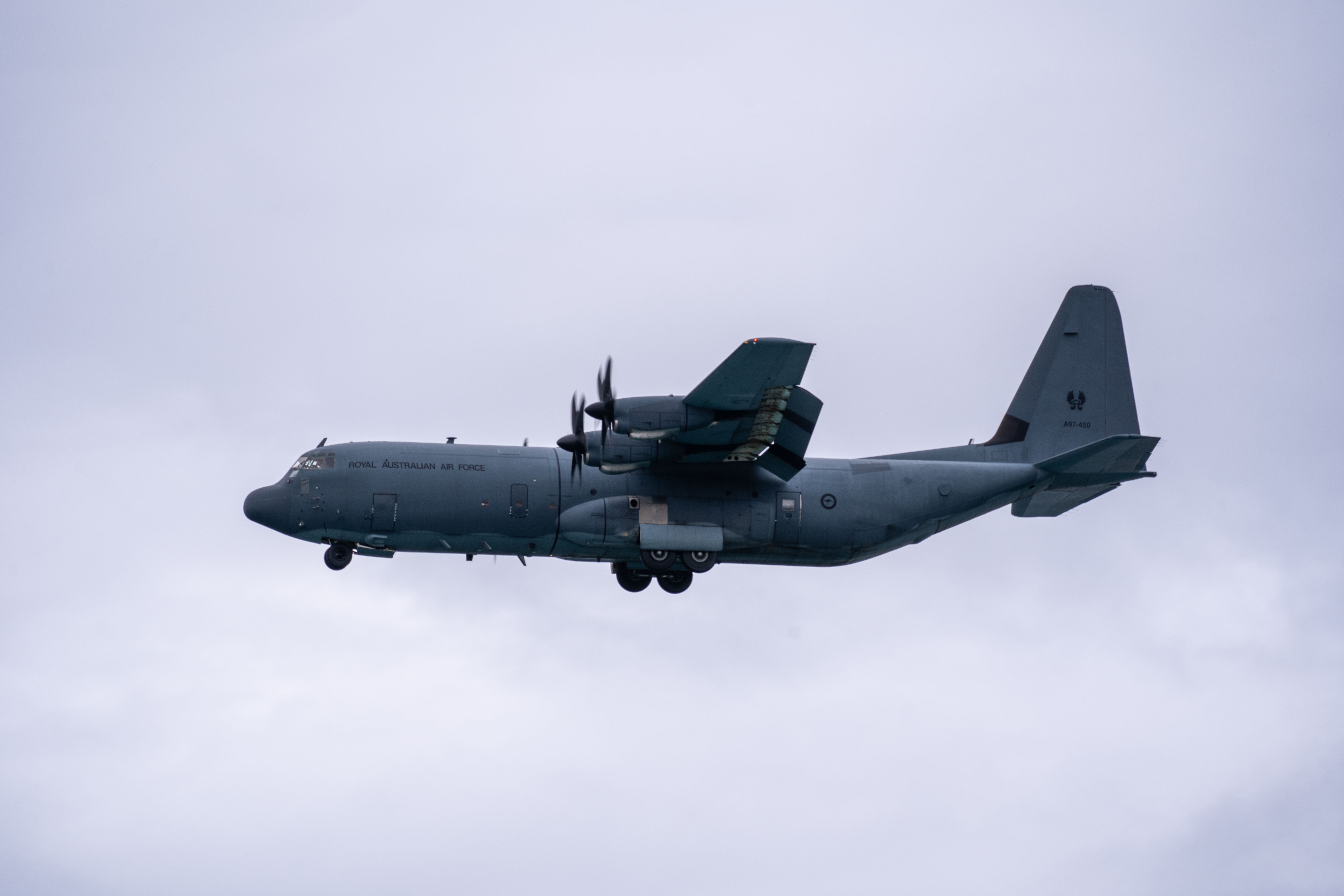
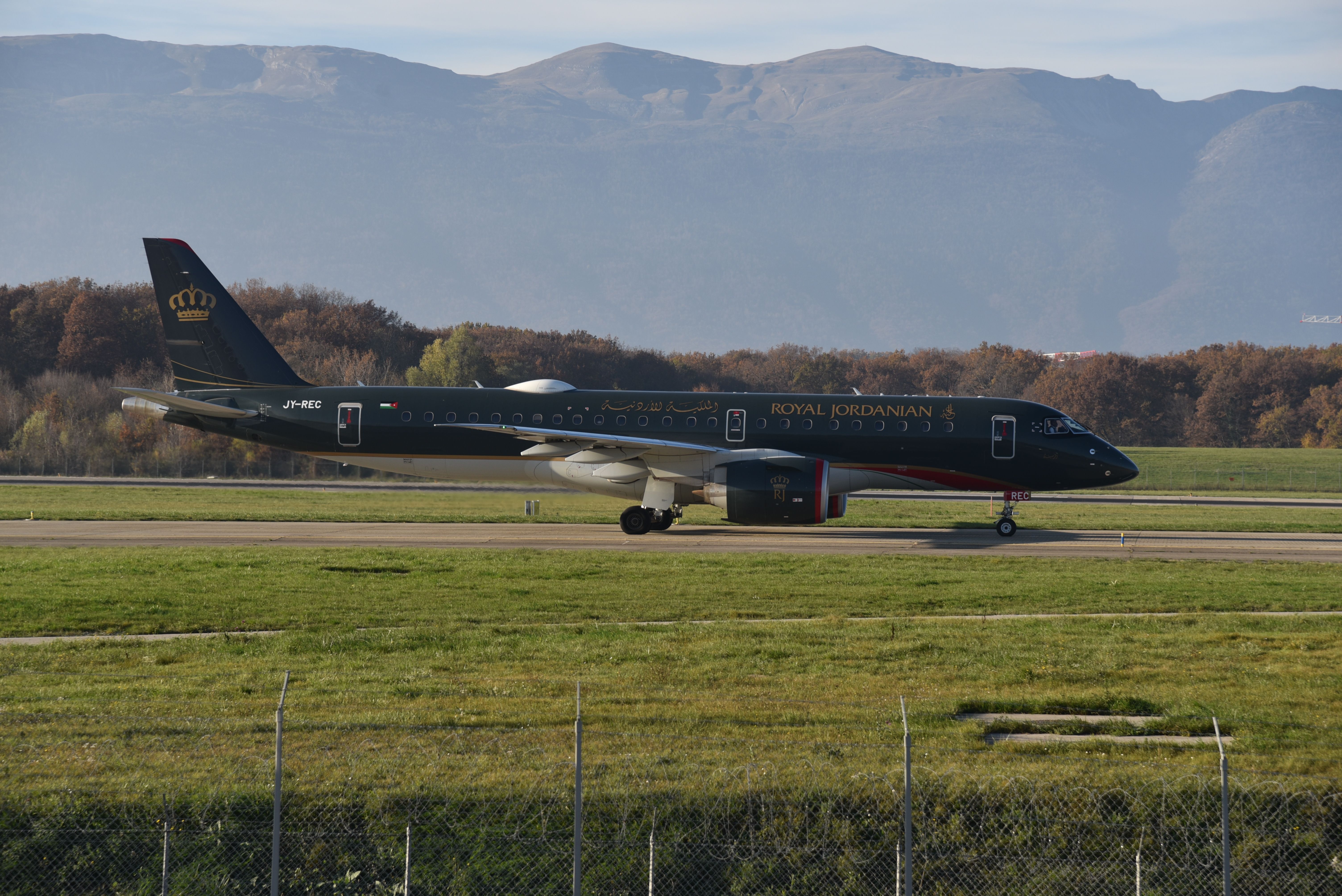
Government flight department
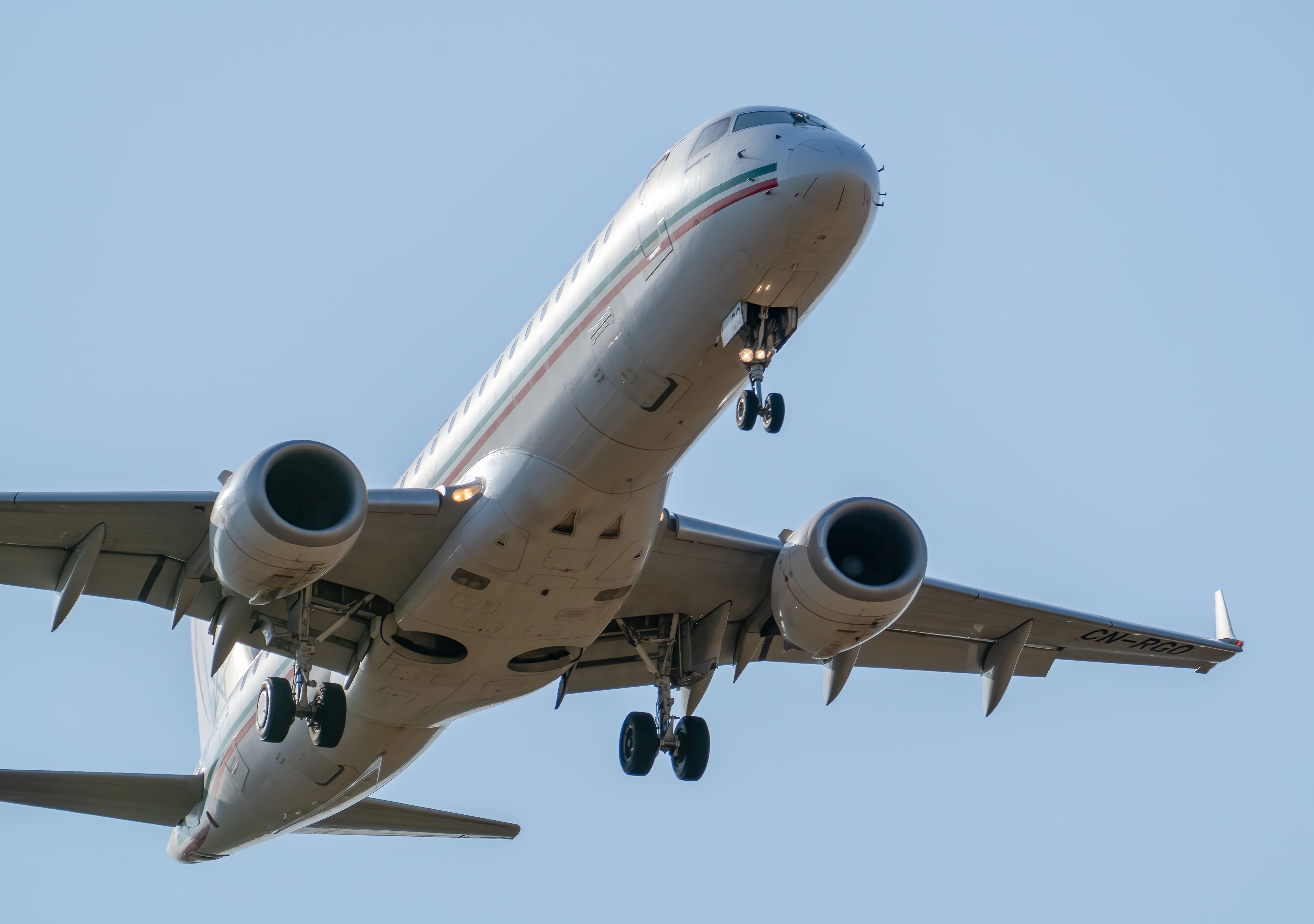
Royal household
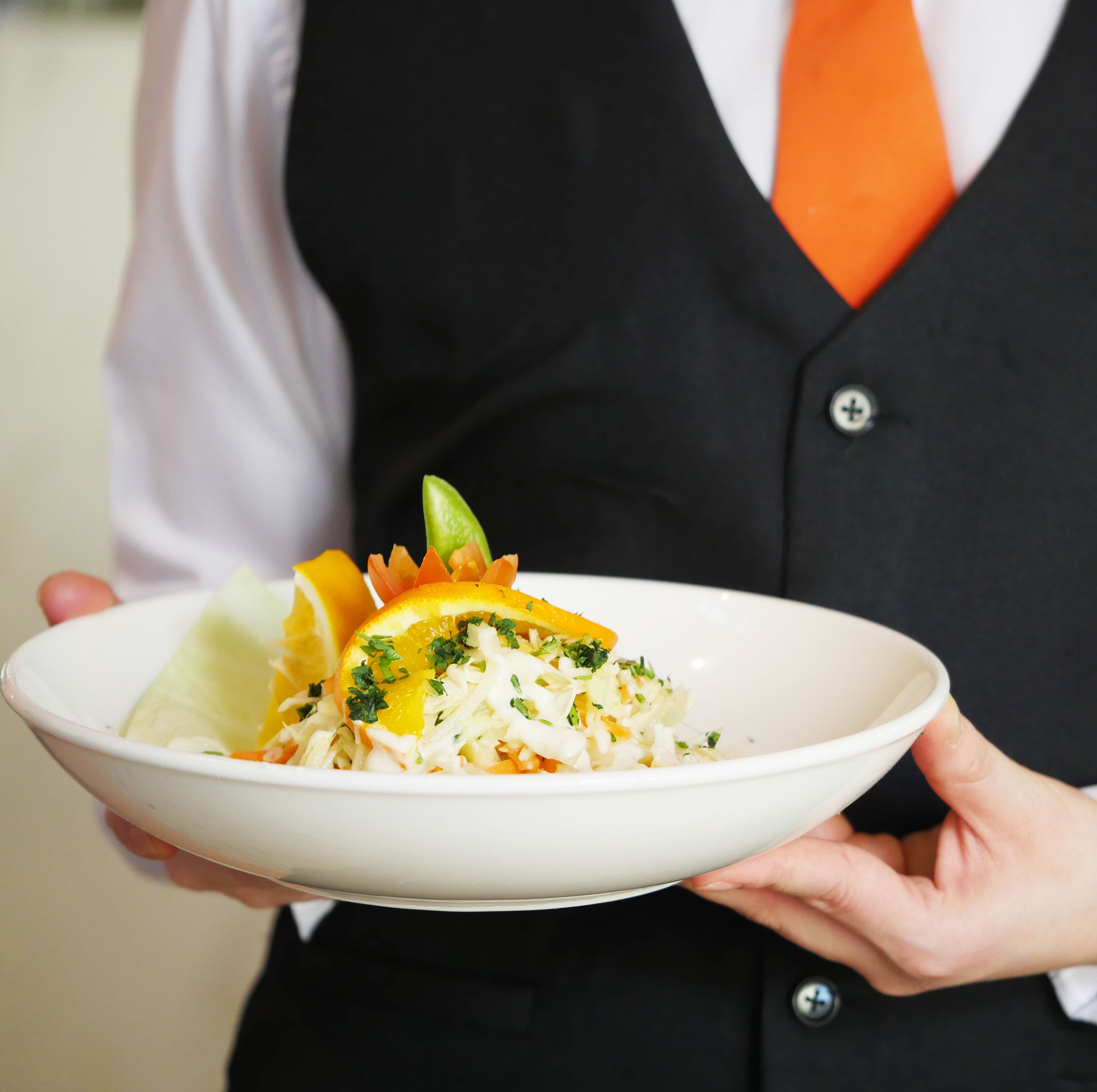
Charter operator
Scheduled airline
“For a last-minute requirement at Takamatsu (TAK/RJOT), we contacted them as our airline ops catering supplier. They coordinated locally, sent useful updates, and kept the final uplift aligned with our revised schedule. A good partner to have when the usual supplier is not available. The final handover was simple and there was nothing for the crew to correct before departure.”
★★★★★Scheduled airline
Anthony — Aviation Services Coordinator
“We used the service for VIP flight catering in Takamatsu on a VIP rotation through TAK/RJOT. Everything arrived fresh, well presented, and easy for the cabin crew to organize before boarding. A very easy service to use at this station. Responses were quick whenever we had a question, which helped us keep the flight on schedule.”
★★★★☆Scheduled airline
Hugo — Airline Operations Manager
“For our flight from Takamatsu (TAK/RJOT), the cabin order included multiple special meals. All requirements were followed and the cabin crew could see immediately which meal belonged to which passenger. That attention to detail makes a big difference onboard. The order was complete on arrival and easy for us to check before closing the doors.”
★★★★★Private jet operator
Lea — Passenger Services Manager
| Datum | Value |
|---|---|
| Longest runway | 2,499 m |
| Runways | 1 |
| Aerodrome reference code | narrow-body |
| ICAO | RJOT |
What operations gets asked every week about Takamatsu.
Ask operations directly →The loader and the cart are booked against the loading window first, and how far in advance an order is placed decides how much of the specification can still move; a last minute airline catering change is worked where the tray count and dietary set allow it.
The single narrow-body stand at Takamatsu is the deciding factor: it takes one movement at a time, which is what lets VIP flight catering and government flight catering run under full protocol without competing traffic on the ramp.
Takamatsu Airport routes private jet catering to every FBO on the field and to the GA terminal from the same kitchen and the same sealed cart used for airline work, with FBO catering following identical paperwork.
There is a dedicated hi-loader route from our kitchen to the stand at TAK, so airline catering is boarded by airside delivery through the galley door rather than handed off at the foot of the aircraft.
We produce halal and kosher sets alongside the full IATA SPML list on a separate production line at RJOT, and every special meal is recorded against the passenger name before the cart is sealed.
Request a quote
Takamatsu (TAK / RJOT)
Give us the aircraft and what goes on board. A coordinator comes back with a quote for Takamatsu, not a brochure.
orders@aerogourmet.com · operations desk, 24/7
Four steps
Flight
Aircraft · stand · local time
Offloading
Return leg, if any
Order
Counts · menus · files
Contact
Who we come back to